 Image 1 of 5
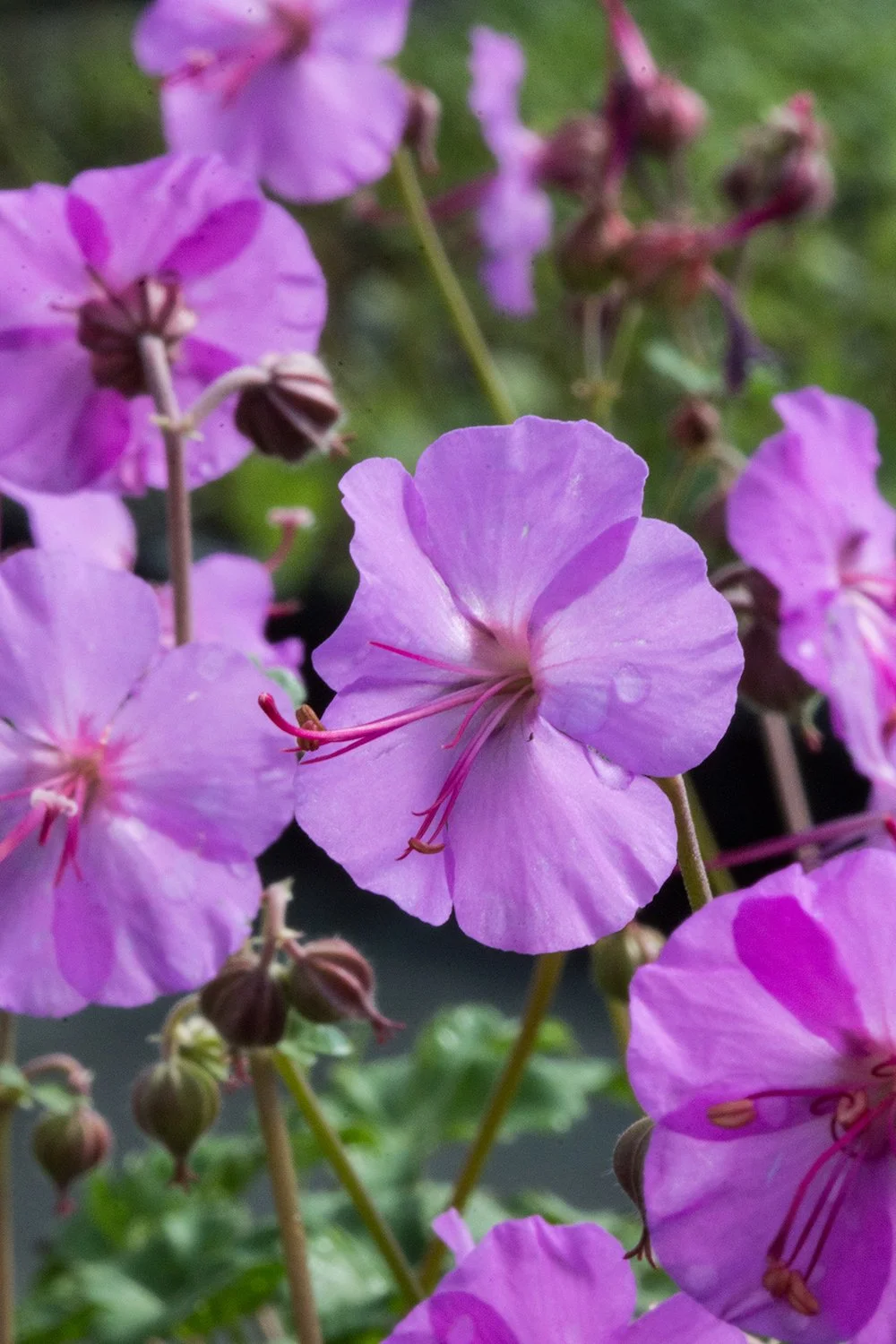 Image 2 of 5
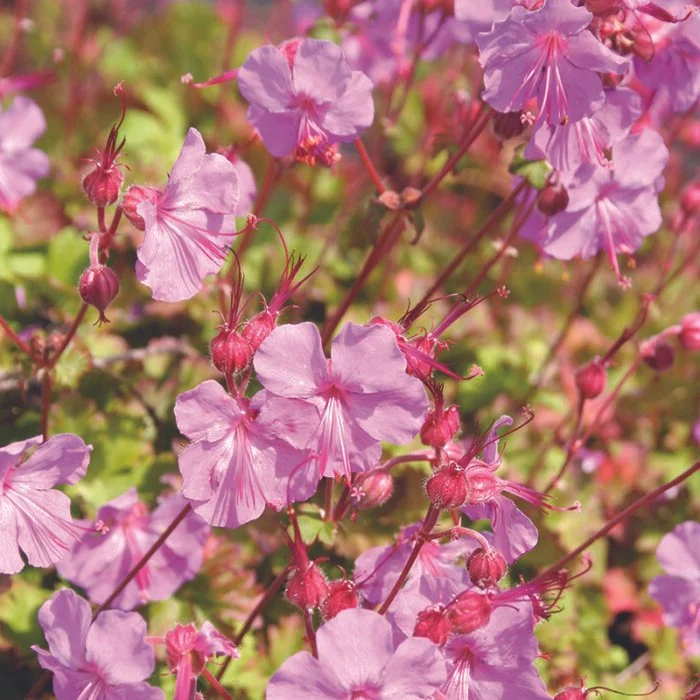 Image 3 of 5
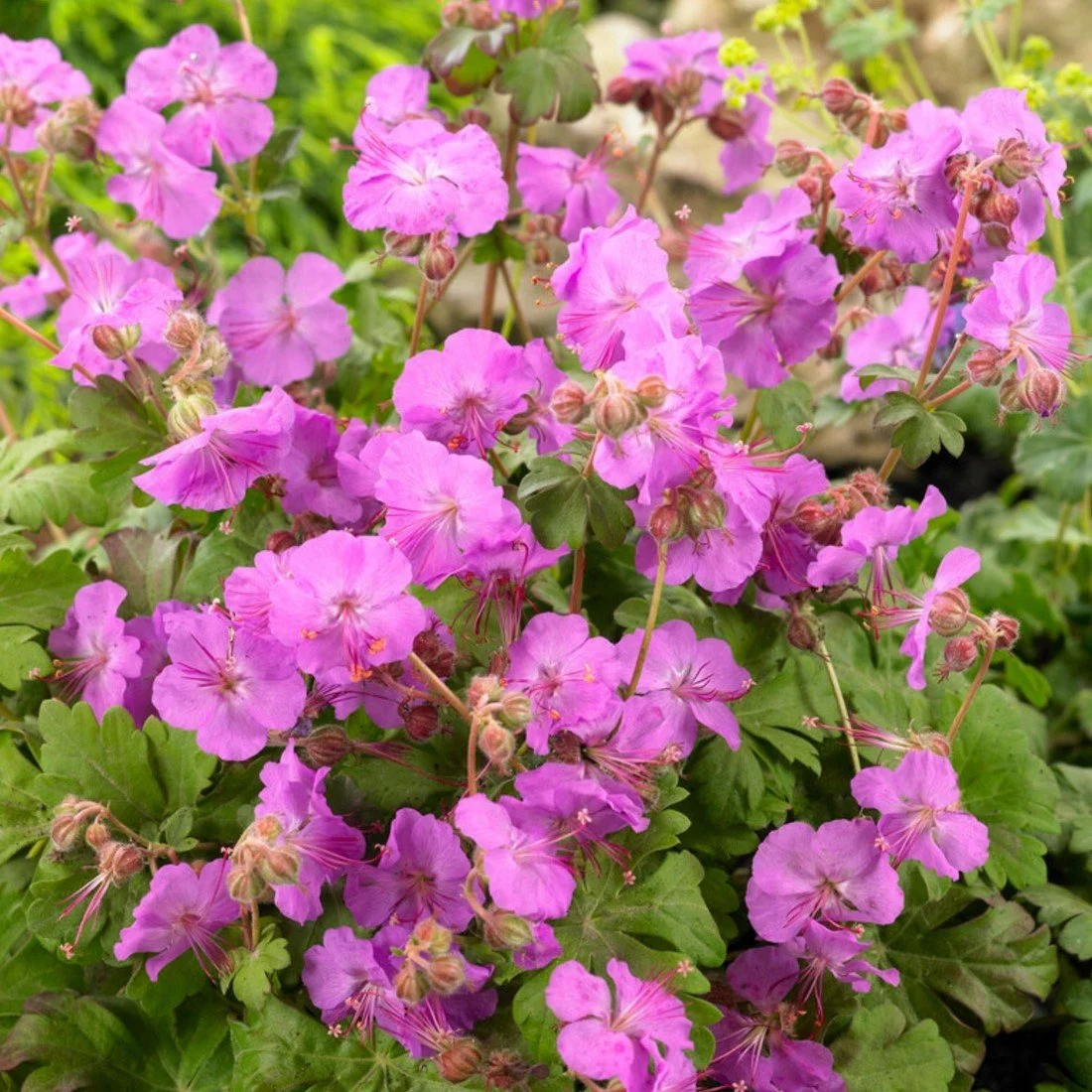 Image 4 of 5
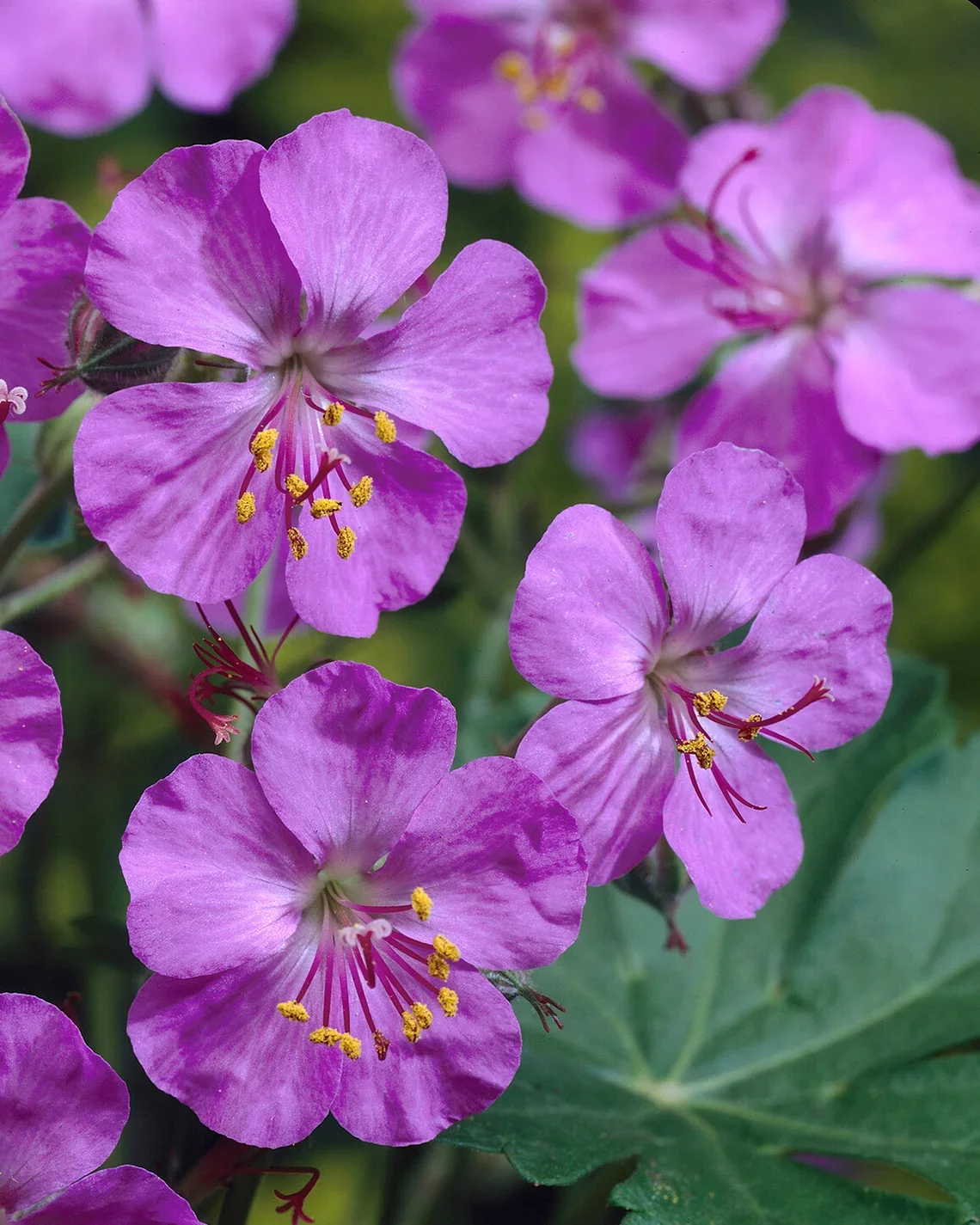 Image 5 of 5
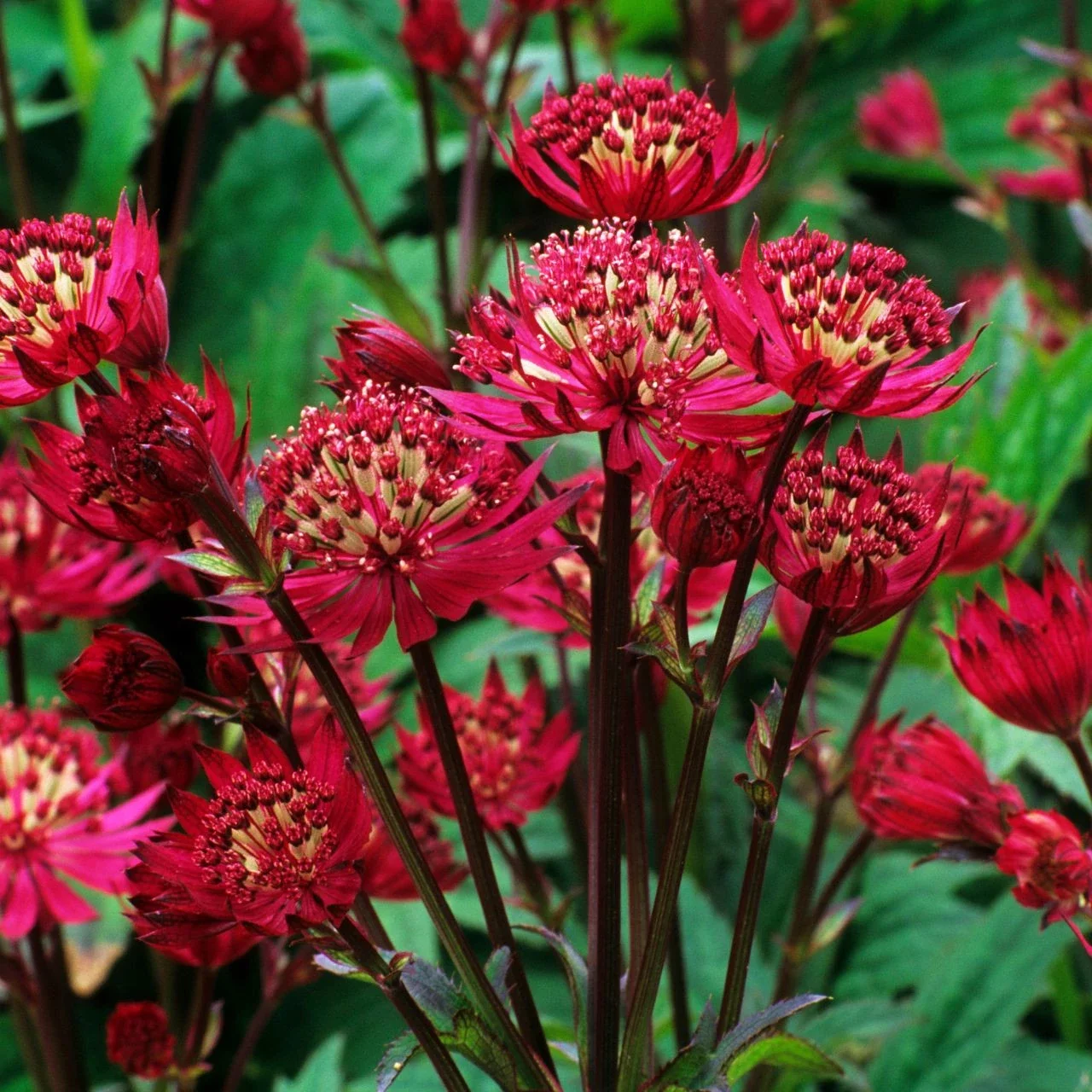
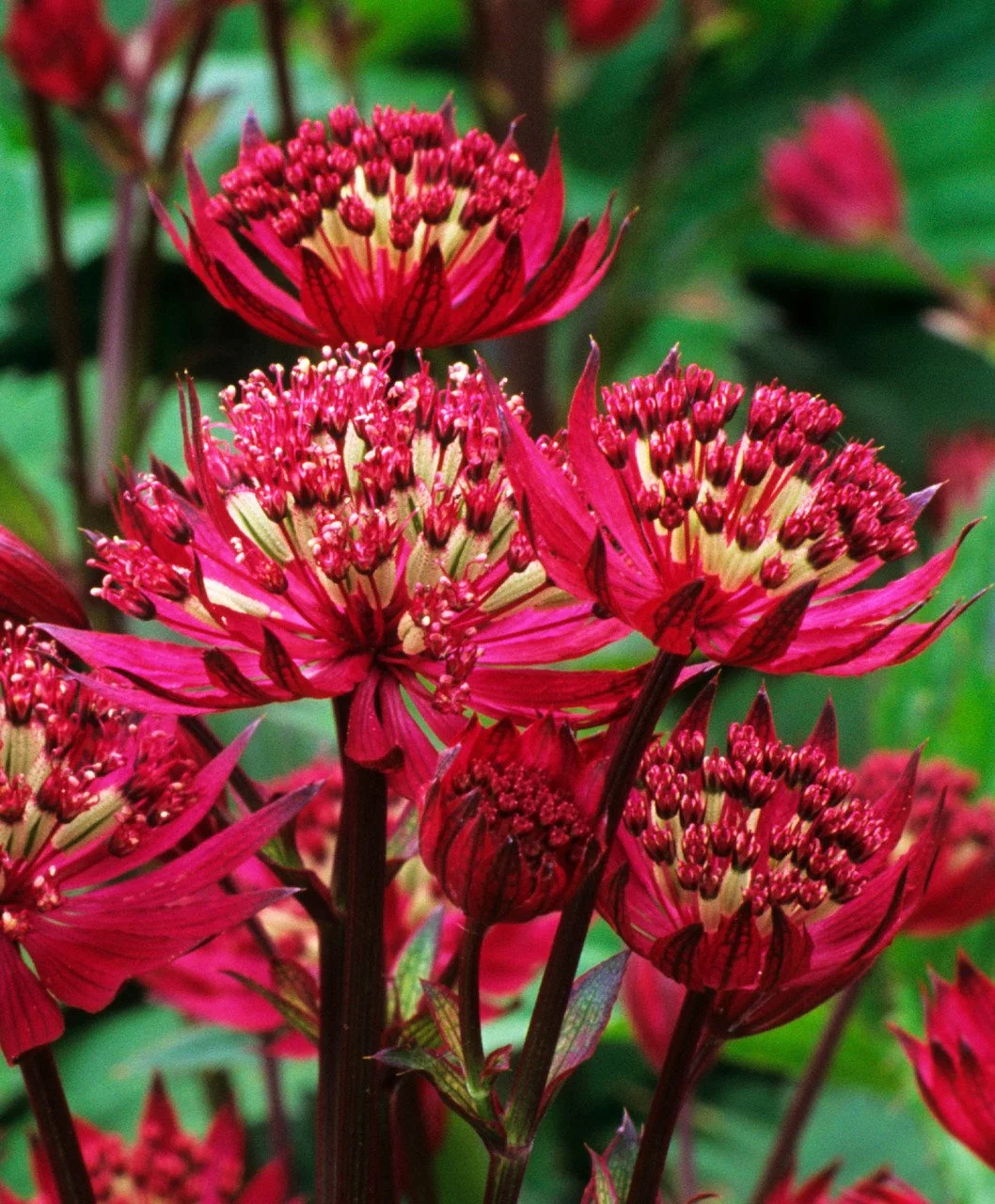
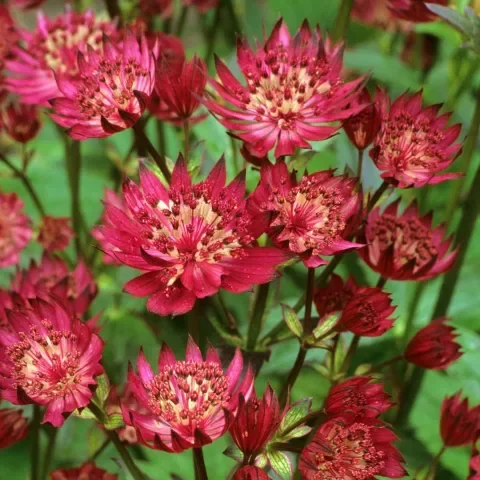
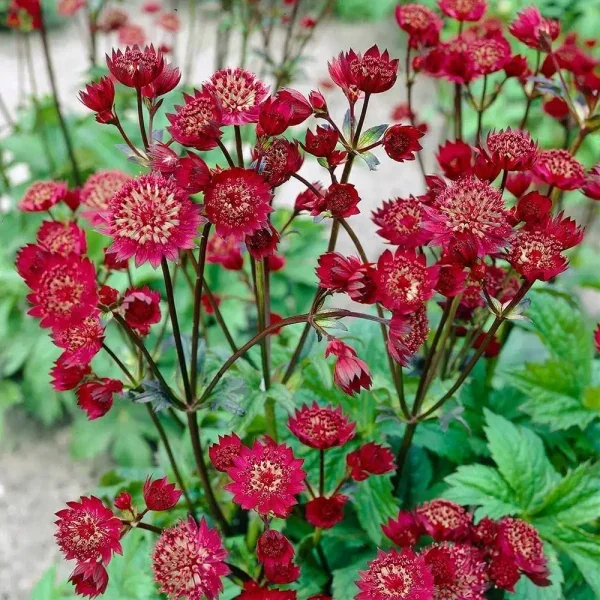
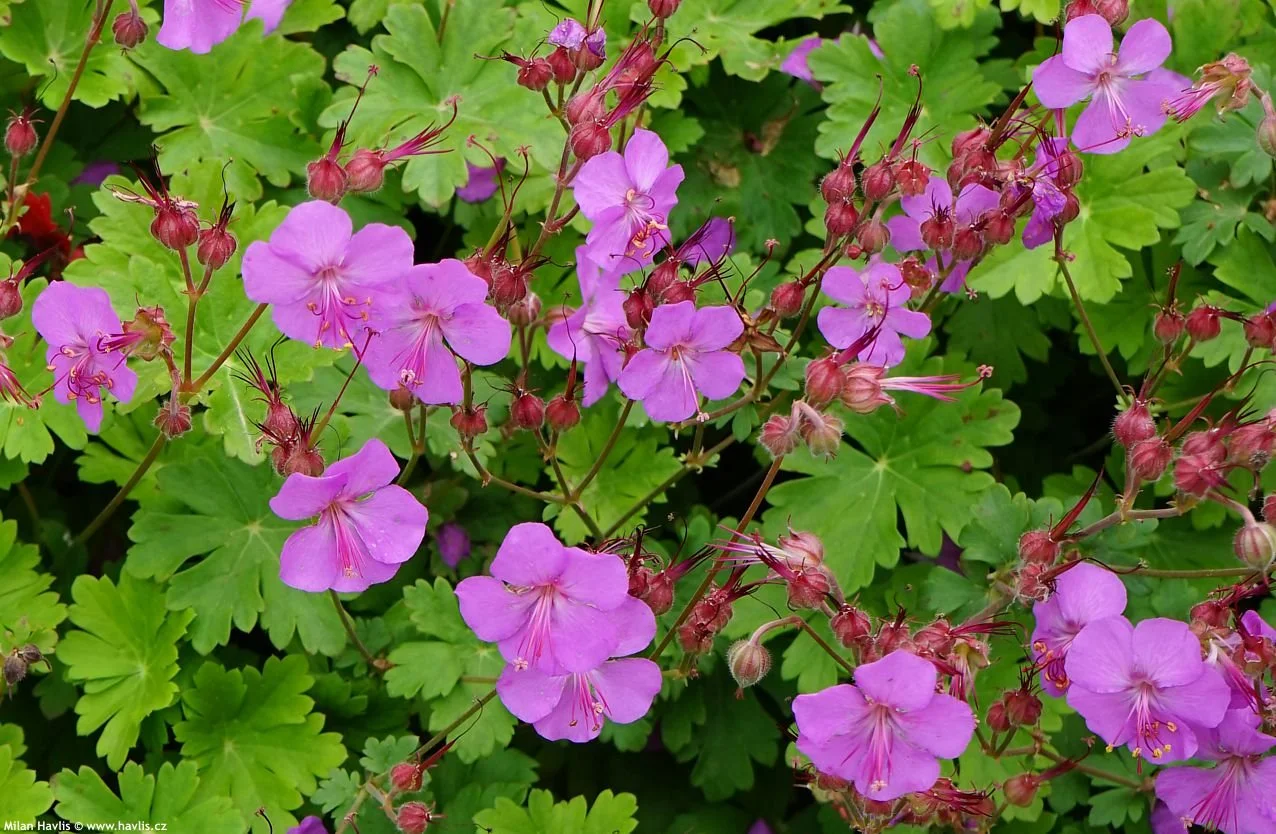
This excellent perennial produces numerous five-petalled flowers from dark red buds during late spring and early to mid-summer. The flowers stand above attractive, aromatic, lobed foliage, which remains semi-evergreen and can develop attractive reddish tones during the colder months. With its low-growing, spreading habit, 'Karmina' is particularly useful as ground cover, border edging, underplanting and for filling gaps between larger plants.
Plant Details
Botanical Name: Geranium × cantabrigiense 'Karmina'
Common Name: Karmina Cranesbill / Cambridge Geranium
Plant Type: Hardy herbaceous perennial
Flower Colour: Carmine pink to lilac-pink
Flowering Period: Late spring to early/mid-summer
Position: Full sun to shade
Soil: Moist but well-drained or well-drained soil
Growth Habit: Low-growing, spreading and mat-forming
Foliage: Aromatic, lobed and semi-evergreen
Wildlife Value: Attractive to bees, butterflies and other pollinating insects
Uses: Ground cover, edging, borders, rockeries, banks, slopes, containers and underplanting
This excellent perennial produces numerous five-petalled flowers from dark red buds during late spring and early to mid-summer. The flowers stand above attractive, aromatic, lobed foliage, which remains semi-evergreen and can develop attractive reddish tones during the colder months. With its low-growing, spreading habit, 'Karmina' is particularly useful as ground cover, border edging, underplanting and for filling gaps between larger plants.
Plant Details
Botanical Name: Geranium × cantabrigiense 'Karmina'
Common Name: Karmina Cranesbill / Cambridge Geranium
Plant Type: Hardy herbaceous perennial
Flower Colour: Carmine pink to lilac-pink
Flowering Period: Late spring to early/mid-summer
Position: Full sun to shade
Soil: Moist but well-drained or well-drained soil
Growth Habit: Low-growing, spreading and mat-forming
Foliage: Aromatic, lobed and semi-evergreen
Wildlife Value: Attractive to bees, butterflies and other pollinating insects
Uses: Ground cover, edging, borders, rockeries, banks, slopes, containers and underplanting